
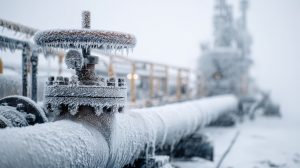
As winter settles over Detroit, Chicago, New York, and the Northern States, the dropping temperatures bring challenges that go far beyond a morning commute. For industries relying on complex machinery and infrastructure, the cold can be a significant threat. Metal tubing, a critical component in everything from HVAC systems to automotive manufacturing, is particularly vulnerable to winter’s harsh effects. With over a century of experience in tube bending and fabrication, we at Detroit Tube Products have seen how unforgiving the season can be on underprepared systems.
When temperatures plummet, metals undergo physical changes that can compromise the integrity of your systems. Understanding these effects is the first step toward effective prevention.
The most immediate effect of cold is thermal contraction. As metal gets colder, it shrinks. While this change is microscopic, it creates immense stress on welded joints, fittings, and connection points. Over time, this repeated stress can lead to fatigue, cracks, and eventually, system failure. A seemingly secure connection can develop leaks as the metal pulls away, a critical issue for systems transporting fluids or gases.
Many common metals, including carbon steel, lose their ductility and become more brittle in sub-zero conditions. A tube that can normally withstand vibration or impact may become fragile enough to fracture under similar stress. This phenomenon, known as a ductile-to-brittle transition, significantly increases the risk of catastrophic failure, especially in applications exposed to dynamic loads.
Winter weather introduces two major corrosion accelerators: moisture and salt. Any moisture trapped inside a tube can freeze and expand, potentially causing the tube to burst from within. On the exterior, road salt and de-icing chemicals used on streets and in facilities can rapidly corrode unprotected metal surfaces. This corrosion weakens the tube wall, creating pits and weak spots that are prone to failure under pressure.
Different sectors face unique problems related to cold weather. Here’s a look at how winter affects tubing in key industries and how targeted solutions can help.
For HVAC systems, winter brings a high risk of frozen condensate lines, which can cause system shutdowns, water damage, and component burnout. In boiler and radiant heating systems, the tubing must endure constant temperature fluctuations. Proper fabrication, like using flared or expanded ends, creates stronger, more reliable seals that can better withstand the stress of thermal contraction. Choosing materials resistant to corrosion is also essential for longevity.
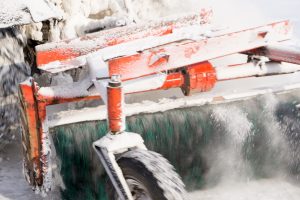
Vehicles operate in some of the harshest winter conditions. Fuel lines, brake lines, and exhaust systems are constantly exposed to road salt, slush, and extreme temperature swings. This exposure leads to accelerated corrosion and stress fractures. For manufacturers of snowplows, salt spreaders, and other winter equipment, robust hydraulic lines are critical. Custom fabrication using durable materials like stainless steel and techniques like severe radius bends for compact, protected routing is key to ensuring reliability.
Public utilities, power plants, and municipal infrastructure rely on vast networks of piping. A single failure due to a burst pipe can disrupt services for thousands. External pipes must be protected from freezing, while internal systems need to handle the pressure changes caused by cold fluids. Our work in Detroit tube bending provides solutions for these large-scale systems, ensuring they are built to withstand the region’s toughest winters.
You can take proactive steps to fortify your tubing against the cold. With the right materials, design, and maintenance, you can prevent most winter-related failures.
Material choice is your first line of defense. While standard carbon steel is common, certain alloys perform much better in the cold. Stainless steel grades like 304 and 316 maintain their strength and ductility at low temperatures while offering excellent corrosion resistance. For extreme applications, nickel-based alloys provide superior performance. Our extensive inventory allows us to recommend and source the ideal material for your specific winter-ready application.
A smart design can accommodate the physical changes metal undergoes in the cold. Incorporating expansion loops or flexible joints allows the system to “breathe” during thermal contraction and expansion, reducing stress on fixed points. Our in-house tooling and decades of fabrication expertise enable us to create custom assemblies with severe bends, precise end-forming, and strong welds that build resilience directly into the component.
Before the first freeze, conduct a thorough inspection of all critical tubing systems. Look for signs of corrosion, cracking, or wear at connection points. Insulating exposed tubes is a simple yet effective way to prevent freezing. For critical lines, installing heat tracing can provide active temperature management. If you identify a potential issue, addressing it with a timely replacement or repair can prevent a much larger problem down the road.
Working with a knowledgeable tube fabrication partner is invaluable. At Detroit Tube Products, we offer quick quotes and can handle modest production volumes for replacement parts or system upgrades. Our processes, including brazing, flanging, and piercing, can reinforce vulnerable areas and improve the overall durability of your assemblies.
A local manufacturer of heavy-duty equipment approached us with a recurring problem. The hydraulic lines on their machinery were failing during winter field tests, causing costly project delays. The carbon steel tubing they used was becoming brittle in the cold and corroding from salt exposure.
After analyzing the failed parts, our team recommended a switch to a more durable stainless steel alloy. We then designed a new assembly using custom weldments and severe bends to route the lines more efficiently and protect them from direct impact. The result was a dramatic reduction in field failures, allowing the client to maintain their production schedule through the winter. This project, handled confidentially and delivered on time, highlights how the right expertise in cold-weather tube fabrication can solve persistent challenges.
Winter in Detroit, and other parts of the Midwest, is a true test of durability. By taking proactive measures, you can ensure your metal tubing systems perform reliably, no matter how low the temperature drops. From material selection to custom design and fabrication, the Detroit Tube Products team has the expertise to fortify your projects against the elements.
Don’t let the freeze catch you off guard. Contact us today to discuss your project and receive a quote for a winter-ready custom tubing solution.